Health Chi-Tech Health Chi-Tech

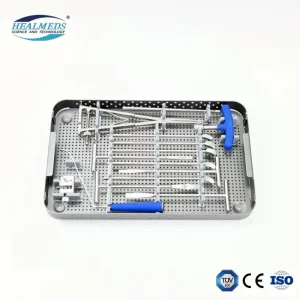
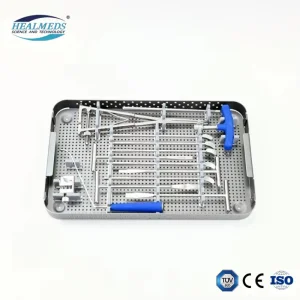
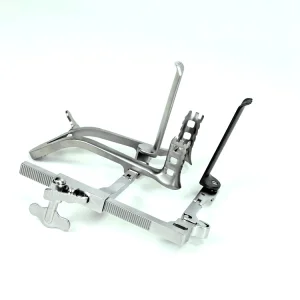
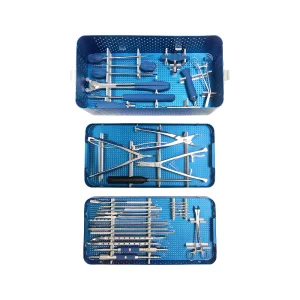
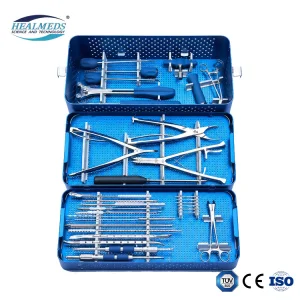
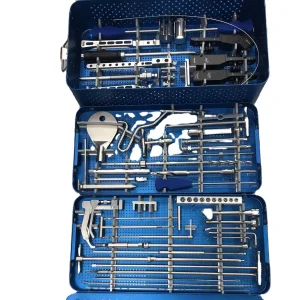
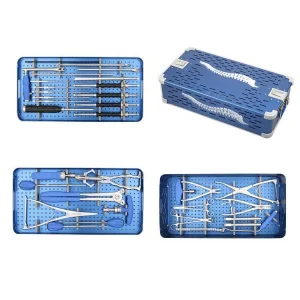
OEM Orthopedic Instrument Set & Spine Instrument Set

Premium Medical-Grade Manufacturing Solutions & Exporters for Global Surgical Excellence

Our Manufacturing & Exporting Power at a Glance

With over two decades of dedicated medical device fabrication, we drive surgeon satisfaction by integrating strict European standards (CE) and ISO13485 quality systems with flexible China-based supply chain systems.

21+
Years Exporting Experience
100%
Product Traceability
45+
Supply Chain Partners
ISO13485
Certified Quality System

The Structural Mechanics and Engineering of Spine Instrument Sets

Orthopedic spine surgeries call for unmatched accuracy. Modern clinical procedures require instruments that can bear massive mechanical loads, resist chemical wear from sterilization cycles, and guarantee ergonomic safety for surgeons. As a leading OEM Orthopedic Instrument Set manufacturer and exporter, we customize spine instruments to align with these requirements.

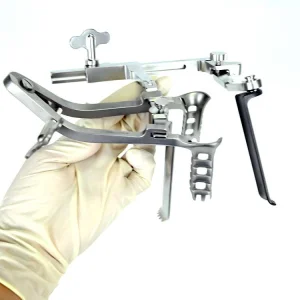
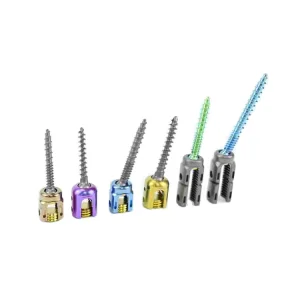
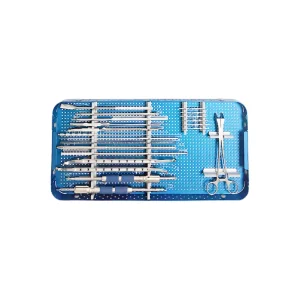
Spine instrument sets are engineered using biomedical materials like German stainless steel (1.4112 / SUS630) and medical-grade titanium alloys. These materials are selected because they are biocompatible and resistant to pitting and crevice corrosion under high autoclave temperatures. Every screwdriver, rongeur, retractor, and tap undergoes passivation to produce a stable chromium-oxide layer. This surface treatment shields the underlying alloy from bodily fluids, minimizing friction during surgical insertion.

Ergonomics & Usability

Silicon and textured handles reduce hand fatigue during long surgeries. They improve leverage during transpedicular screw insertions and TLIF structural placements.

Autoclave Durability

Anodized coatings and deep passivation enable our instrument trays to endure thousands of steam sterilization cycles without color fading or material degradation.

Biocompatibility & Precision

Our instruments have tolerances within micrometers to prevent micro-movements between the tool interface and implant components like pedicle screw heads.

Clinical Application Scenarios of Modern Spine Instruments

Different spinal procedures require dedicated structural layouts and functional properties in their instrument sets:

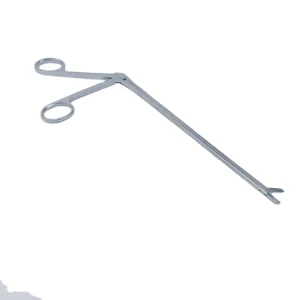
  • Minimally Invasive Spine Surgery (MISS): Focuses on minimizing tissue disruption. Instruments like UBE (Unilateral Biportal Endoscopy) retractors and transforaminal disc forceps require slim profiles, clean optical fields, and integrated suction-irrigation channels.
  • Transforaminal Lumbar Interbody Fusion (TLIF): Requires specialized trials, trial spacers, bone graft inserters, and osteotomes that allow precise discectomy and cage placement through a narrow, unilateral entry window.
  • Trauma and Deformity Correction: Focuses on multi-segmental pedicle screw systems. T-handle torque limiters, rod benders, and reduction forceps must handle high torsional stress to correct structural alignments safely.
  • Veterinary Spine Operations: Veterinary surgeons face unique challenges due to diverse patient sizes. We manufacture veterinary spinal pedicle screw and fixation instrument sets tailored for feline, canine, and equine anatomy.

China's Supply Chain Edge in Medical Instrument Fabrication

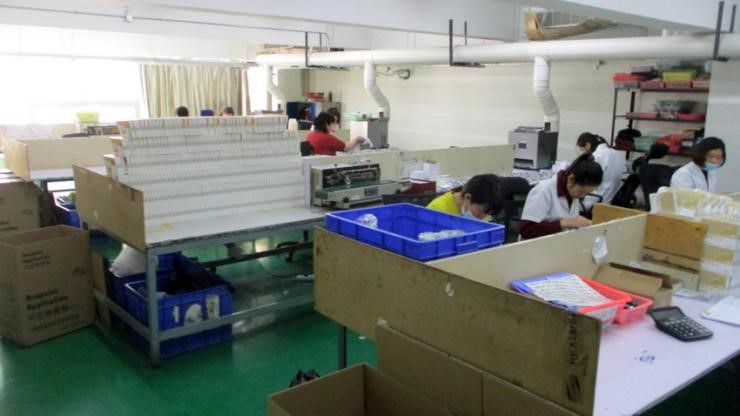
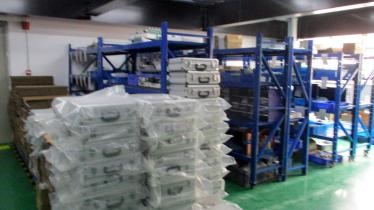
China's medical supply chain offers high adaptability, technical expertise, and cost-efficiency. Backed by 45 trusted raw material and logistics partners, our manufacturing facility in Jiangsu manages the complete production cycle, from raw material procurement to final sterile packaging.

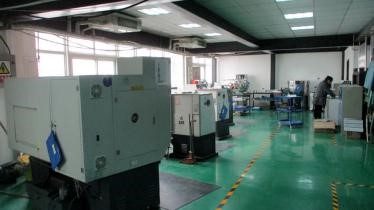
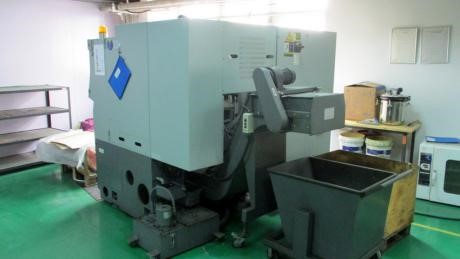
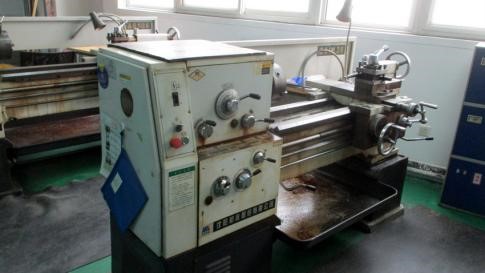
Our facility uses multi-axis CNC machines and Swiss-type automatic lathes to guarantee that every surgical instrument meets dimensional specifications. Rather than depending on basic casting, we use precision forging, EDM wire cutting, and laser welding. This keeps production tolerances within ±0.01 mm, ensuring compatibility with implants.
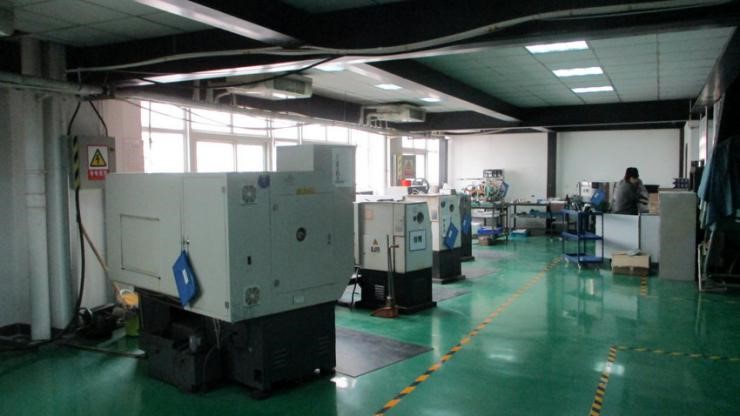
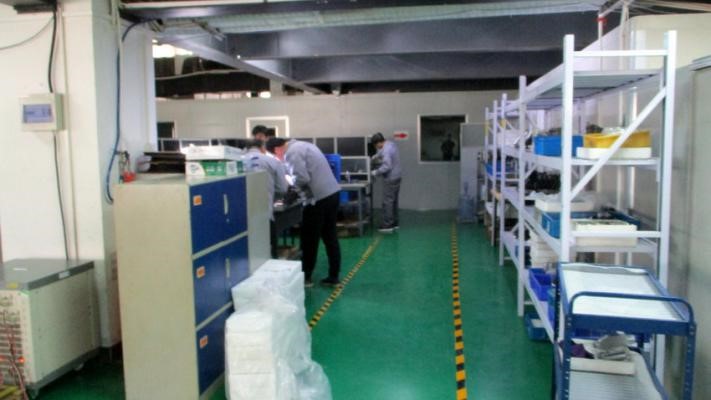
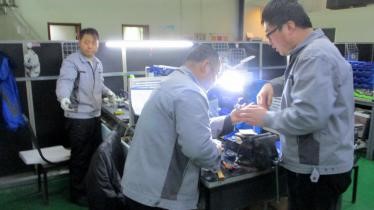
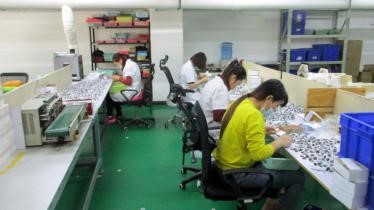
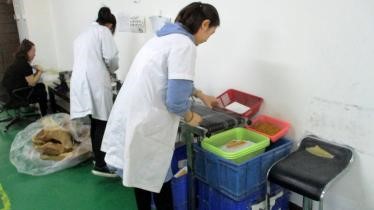
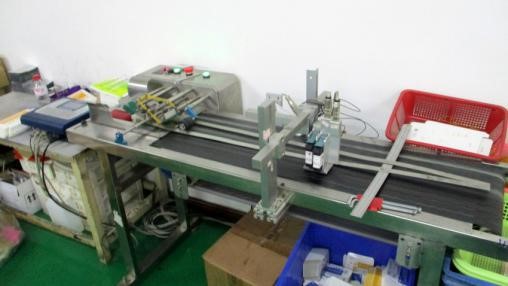
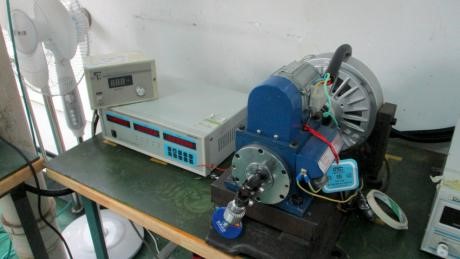
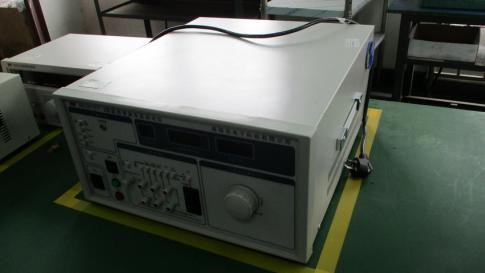
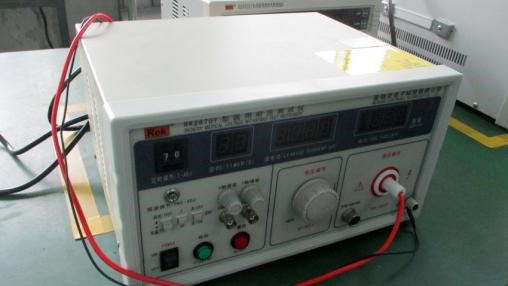
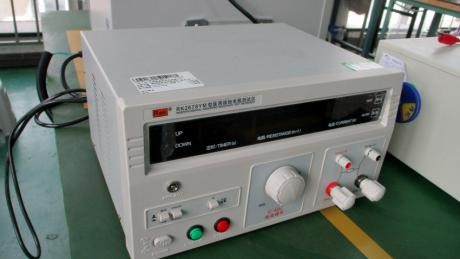
Virtual Factory Tour: Production Lines and Quality Testing

Regulatory Compliance & Local Support Excellence

Navigating international medical regulations demands strict compliance. Under ISO 13485:2016 quality management protocols, our instruments are manufactured to ensure full material and processing traceability.

For registration in the European Economic Area, our certificates (such as CE Certification HD 60142131 0001 and G1 104715 0002 Rev. 01) demonstrate compliance with MDR safety standards. This helps global distributors clear customs smoothly and reduces their time-to-market.

Technological Roadmap: 2025 and Beyond

The orthopedic industry is shifting toward smart, integrated surgical workflows. Our R&D division, featuring graduate-level engineers, focuses on three primary development paths:

  1. Digital Traceability (RFID Tags): Embedding micro-RFID chips into custom spine instruments to track sterilization cycles and usage counts within hospital networks.
  2. Advanced Surface Hardness: Deploying Carbon-Like Diamond (DLC) and titanium nitride coatings to reduce friction and extend the lifespan of cutting tools like osteotomes and bone rongeurs.
  3. Robotic and Navigation Integration: Designing screw inserters and drills with spatial tracking arrays compatible with current surgical navigation platforms.

Corporate Profile & Production Capabilities

Company Registration Date 2005-01-14
Floor Space (㎡) 1036
Years Exporting / Industry 21 Years
Active Production Lines 4 Dedicate Lines
Machinery Equipment 8 Heavy Duty Production Units
Main Export Markets North America (20%), South America (18%), Domestic (15%)
Customization Options Light customization, OEM/ODM from sample/graphic, tailored design
Quality Assurance 100% Final Inspection, Raw Material Traceability Support

Official Quality Certifications & Approvals:

ISO13485 Badge
ISO13485
UKZB24MD30120R0S
CE Badge
CE Approval
HD 60142131 0001
CE Badge 2
CE Approval
G1 104715 0002 Rev. 01

Industry Frequently Asked Questions (FAQ)

Q1: Which grades of stainless steel do you use for spine instrument fabrication?
We use high-grade German stainless steel (like 1.4112 / SUS630) for structural rigidity and wear resistance. Cutting tools, such as rongeurs and chisels, are vacuum-hardened to achieve the required Rockwell C hardness (HRC), maintaining a sharp edge during bone work.
Q2: How do you guarantee the quality and safety of custom OEM instruments?
Every production batch undergoes inspection using coordinating coordinate-measuring machines (CMM) and optical profile projectors. We track every item back to the original steel melt mill certification, and all finished instruments undergo passivation testing to prevent corrosion.
Q3: Do you support low-volume orders or prototype builds for startups?
Yes. Our custom-on-demand services are designed for medical startups, research institutes, and private label distributors. We offer 3D-modeled prototyping, sample engineering, and small batch production runs.
Q4: What is the typical lead time for custom spine instrument sets?
Lead times vary depending on design complexity. Standard sets can be shipped in 4 to 6 weeks, while complex, customized designs requiring unique forging dies or specialized silicone molding may take 8 to 12 weeks.
Q5: How do your instruments support registration in international markets?
We provide technical files including biocompatibility data (ISO 10993), raw material analysis sheets, validation reports for cleaning and sterilization, and ISO 13485 / CE certificates to support your regulatory submissions.
All spine instrument set Products