Health Chi-Tech
Health Chi-Tech
Health Chi-Tech
Engineered for Precision, Ergonomics, and Clinical Excellence
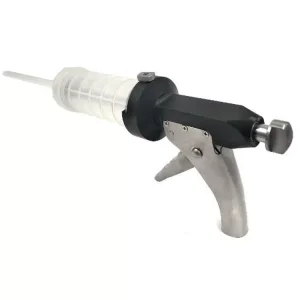
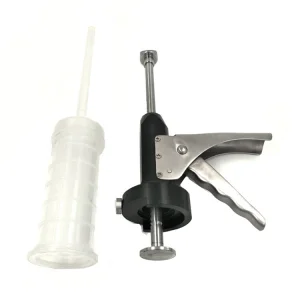
In the high-stakes environment of orthopedic surgery, the delivery of polymethyl methacrylate (PMMA) bone cement is a critical phase that determines the long-term stability of joint prostheses. A Bone Cement Gun is not merely a dispenser; it is a precision instrument designed to handle high-viscosity materials under pressure, ensuring uniform distribution and void-free interface between the bone and the implant. As global demand for Total Knee Arthroplasty (TKA) and Total Hip Arthroplasty (THA) rises, manufacturers and suppliers are focusing on engineering solutions that provide tactile feedback, ease of use, and sterile reliability.
Historically, bone cement was mixed by hand and applied with manual syringes. However, the introduction of vaccum-mixing bone cement guns has revolutionized the process. These systems minimize the introduction of air bubbles, which are the primary cause of mechanical failure in the cement mantle. Modern delivery systems now feature high-pressure ratios, allowing surgeons to inject cement into the femoral canal or acetabular socket with minimal physical exertion, reducing fatigue during long surgical sessions.
China's medical device hubs provide unparalleled access to raw materials like medical-grade stainless steel and high-impact polymers, reducing lead times.
With 3 dedicated R&D engineers and graduate-level expertise, our facility specializes in "Sample Processing" and "Customization on Demand."
Our products carry CE (HD 60142131) and ISO13485 certifications, meeting the rigorous standards of North American and European markets.
There is a growing debate in the global healthcare market regarding the cost-benefit analysis of disposable bone cement injectors versus reusable surgical grade stainless steel guns. While reusables offer long-term cost savings, disposable systems are gaining traction due to the elimination of sterilization costs and the mitigation of cross-contamination risks—a priority in post-pandemic hospital protocols.
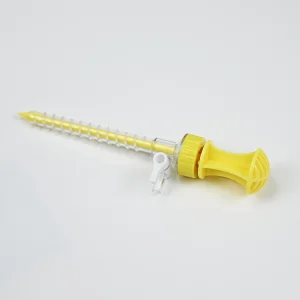
Newer bone cement guns are being developed with longer, thinner nozzles to accommodate the smaller incisions used in MIS. This requires a sophisticated trigger mechanism that can maintain constant pressure through a restricted diameter without "clogging" or material separation.
The future of bone cement application involves sensors that monitor the temperature and curing stage of the PMMA. As a leading manufacturer, we are exploring "smart" handles that provide haptic feedback when the cement reaches the optimal doughy state for implantation.
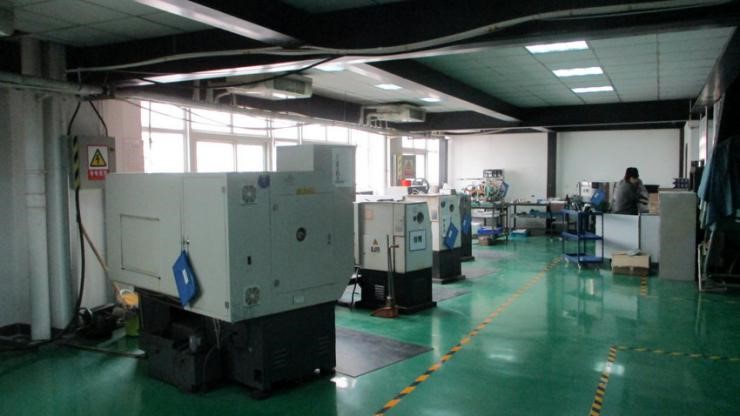
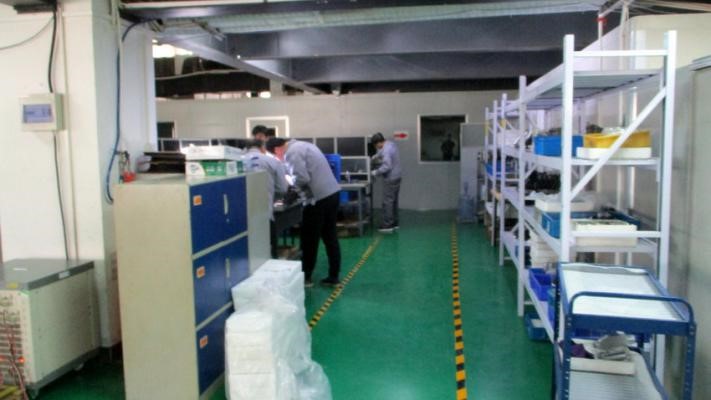
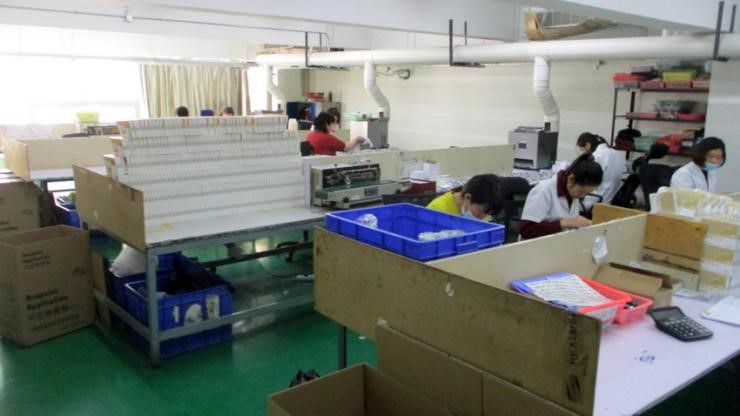
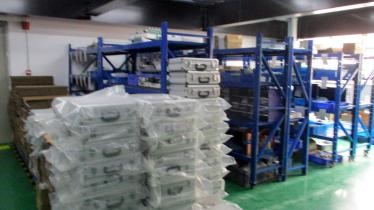
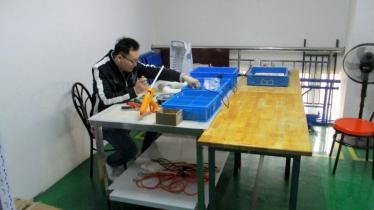
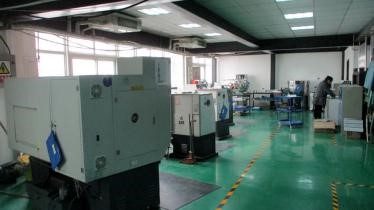
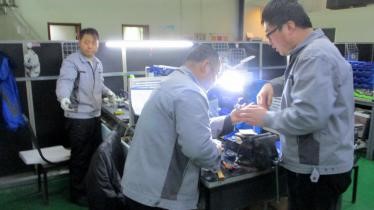
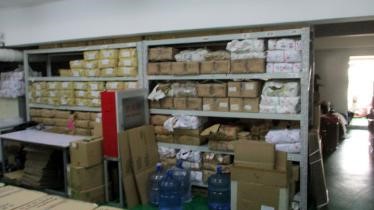
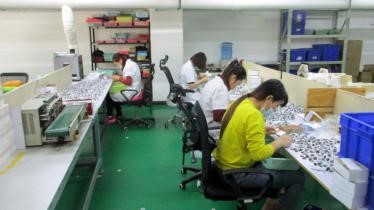
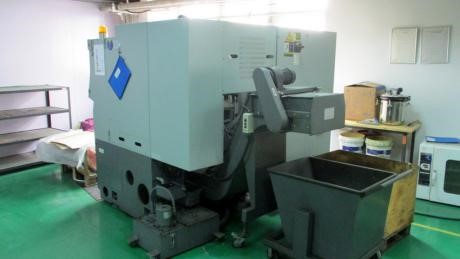
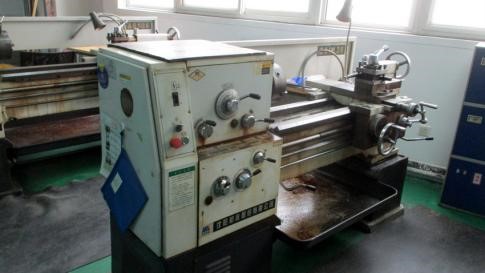
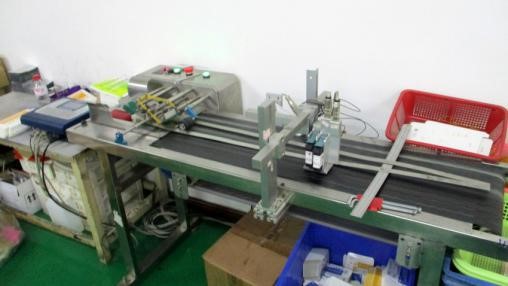
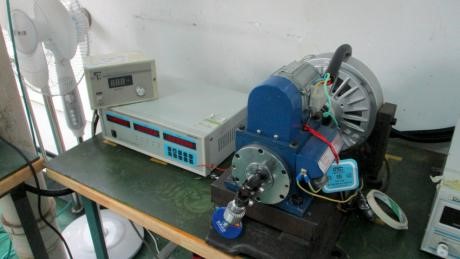
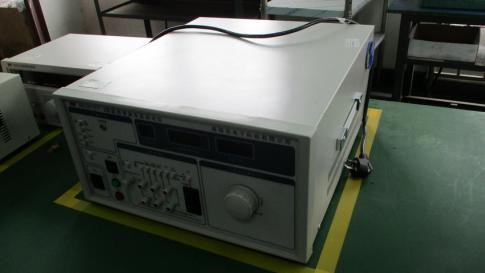
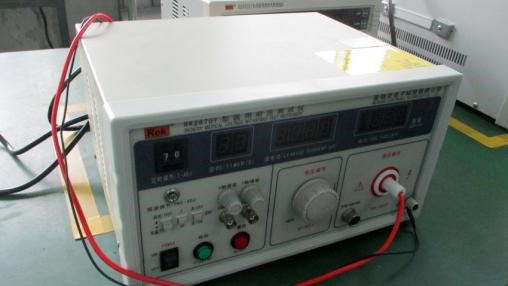
Our facility operates 4 production lines with a rigorous inspection of all products policy. We ensure that every injector and surgical tool meets the highest biocompatibility and mechanical standards.
Designed for delivering high-viscosity cement in THA and TKA, ensuring an optimal micromechanical interlock with the cancellous bone.
Enhanced pressure guns designed for filling large bone defects and ensuring stability where bone quality is compromised.
Precision injectors for Vertebroplasty and Kyphoplasty, where controlled, low-volume delivery is paramount for patient safety.
We use medical-grade 304/316L stainless steel for reusable components and high-strength, BPA-free polymers for disposable units. All materials are biocompatible and compliant with ISO 10993 standards.
Yes, our flagship Bone Cement Injector models are compatible with vacuum mixing systems to ensure minimal porosity and maximum cement strength.
Absolutely. We offer "Light Customization," "Sample Processing," and "Customized on Demand" services, backed by our ISO13485 certified manufacturing facility.
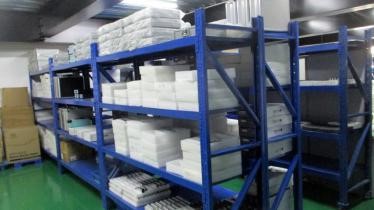
With 21 years of exporting experience, we maintain a robust supply chain. For standard orders, lead times typically range from 2-4 weeks, depending on the volume and customization requirements.
Browse our complete catalog of surgical excellence