Health Chi-Tech
Health Chi-Tech
Health Chi-Tech
Deep insight into clinical efficacy, manufacturing standards, and global supply chain dynamics.
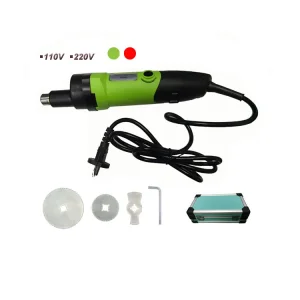
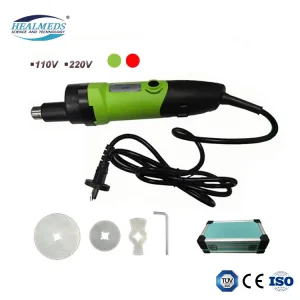
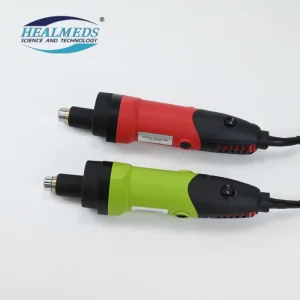
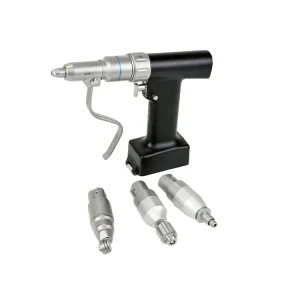
In modern orthopedics, the Medical Electric Plaster Saw is no longer just a cutting tool; it is a precision instrument designed to balance power with patient safety. Our saws utilize high-frequency oscillating technology (not rotating), ensuring that while they cut through rigid plaster or fiberglass with ease, they remain safe against soft human tissue. This is a critical factor in reducing clinical risk and improving the patient experience during cast removal.
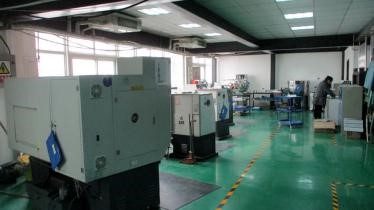
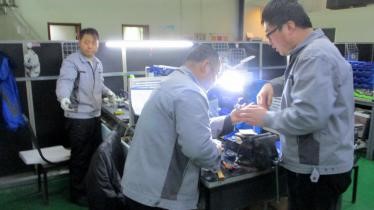
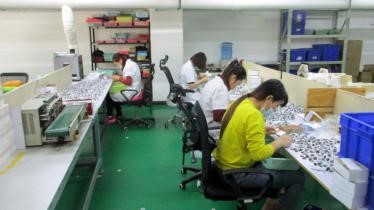
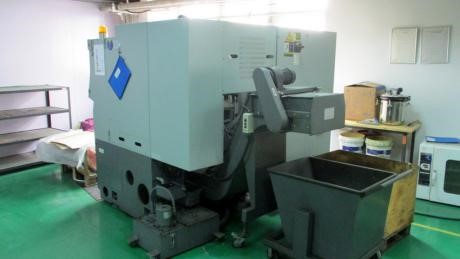
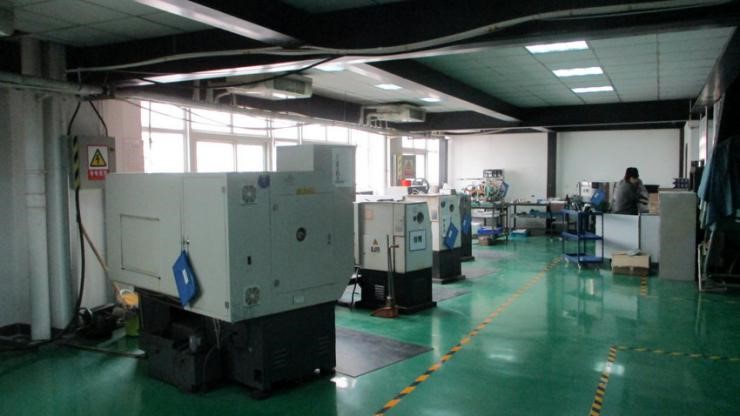
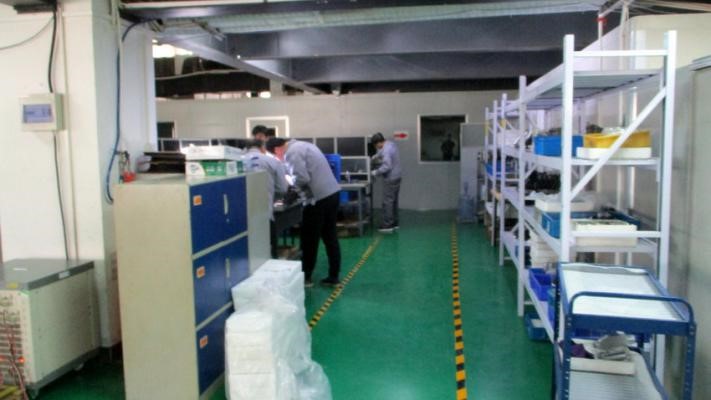
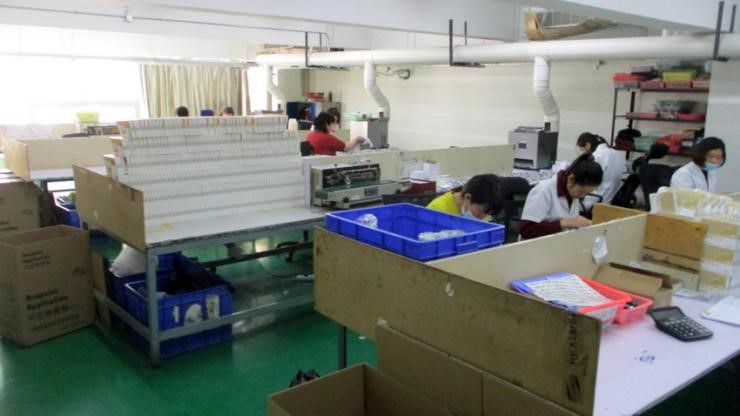
Leveraging over 21 years of industry experience, our factory integrates AI-optimized production lines. This ensures every motor, blade, and housing meets the rigorous ISO13485 medical device standards. By utilizing robotic assembly for critical components, we achieve a degree of consistency that manual manufacturing cannot replicate, resulting in lower noise levels and extended tool longevity.
Sourcing medical equipment internationally requires deep knowledge of regulatory frameworks. As a leading exporter, we provide comprehensive documentation, including CE certification (HD 60142131) and UKZB24MD30120R0S compliance. This allows our partners in North America, Europe, and South America to bypass bureaucratic hurdles and focus on clinical delivery.
Years of Exporting Expertise
Modern Production Floor Space
Global Supply Chain Partners
New Innovations Launched Yearly
For global procurement officers, the decision to source from a specialized Medical Electric Saw Factory in China is driven by the unique convergence of "Quality-to-Cost" ratios. Our facility serves as a primary hub for top-tier orthopedic instruments, offering light customization and sample processing that smaller domestic manufacturers simply cannot match.
We understand that a Plaster Saw is a critical hospital asset. Our export model includes localized support packages, providing spare parts (like high-grade stainless steel blades) and technical manuals in multiple languages. We actively monitor Post-Market Surveillance (PMS) data to refine our designs, ensuring that every unit sold in North America or South America performs optimally under heavy clinical load.
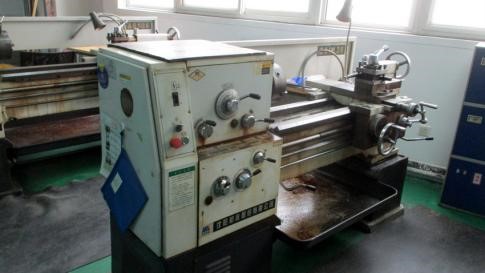
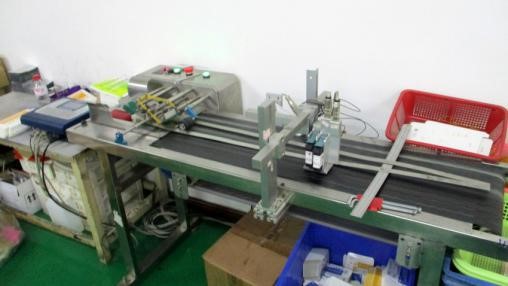
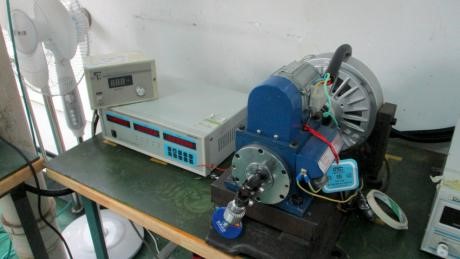
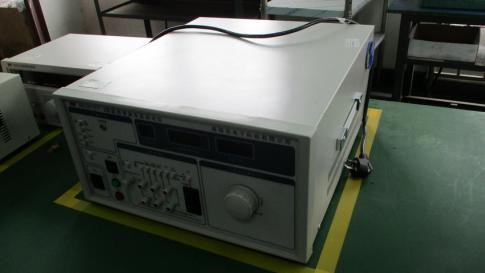
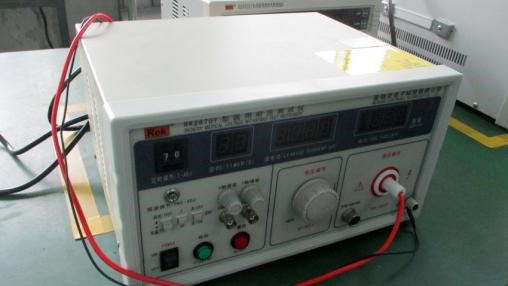
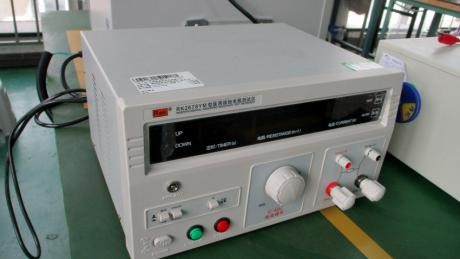
Visual verification of our manufacturing excellence and facility standards.



Modern healthcare systems like the NHS, Kaiser Permanente, or public health sectors in Brazil have shifted towards Total Cost of Ownership (TCO). Our electric saws are engineered for this reality:
The next decade will see the integration of IoT in surgical tools. We are currently researching smart torque sensors that can detect the transition between cast material and skin with 99.9% accuracy, automatically slowing the oscillation. Furthermore, the shift toward cordless, high-capacity lithium-ion plaster saws is a primary focus for our R&D team to improve mobility in emergency wards.
 ISO13485 (UKZB24MD30120R0S)
 CE (HD 60142131 0001) CE (G1 104715 0002 Rev. 01)
Answering the most critical questions from medical professionals and procurement specialists.
The plaster saw blade does not rotate; it oscillates at high frequencies (approx. 12,000 - 20,000 opm). Rigid materials like plaster resist the movement and are cut, whereas elastic material like skin moves with the oscillation, preventing lacerations.
Yes. Our latest 220V models are specifically designed with high-torque motors to handle synthetic fiberglass, which is significantly harder than traditional gypsum, without overheating.
We offer light customization including private labeling, color adjustments, and specific plug configurations for different regions (EU, US, UK, AU). We also support graphic processing for surgical kits.
We maintain full traceability of raw materials, ensuring that all stainless steel and medical-grade plastics meet biocompatibility and durability standards before entering the production line.