 Health Chi-Tech
Choosing the right Kwire Pin in 2026 requires more than comparing diameter and price. Global buyers must assess design, material, surface finish, packaging, and traceability together. A smooth stainless-steel pin may suit temporary fixation, while a threaded or trocar-point design can support different surgical preferences. Small details matter. Tip geometry affects insertion control. Flute shape influences drilling performance. Diameter selection must match the intended procedure, bone quality, and compatible instruments.
Experienced procurement teams also examine supplier evidence before approving a product. ISO 13485 certification, batch records, inspection reports, and clear labeling can reveal manufacturing discipline. Buyers should request dimensional tolerances, material specifications, corrosion-resistance data, and sterilization information when applicable. Packaging deserves attention too. A bent pin or damaged pouch can create delays before surgery begins. That assumption can fail.
There is no universal best type. Regional clinical habits, hospital protocols, shipping conditions, and regulatory expectations can change the decision. Buyers should compare straight, threaded, smooth, trocar-point, and trocar-fluted options against documented use cases. Supplier communication is equally important. Can the manufacturer explain its inspection process? Can it provide samples from regular production? Can it maintain consistent lots?
Price is only one line in the calculation. Reliability costs less than repeated replacements. Still, specifications may be misunderstood across markets. A careful review with surgeons, quality teams, and distributors reduces that risk. The strongest choice combines practical performance, verified quality, and dependable supply. Not perfection, but evidence.
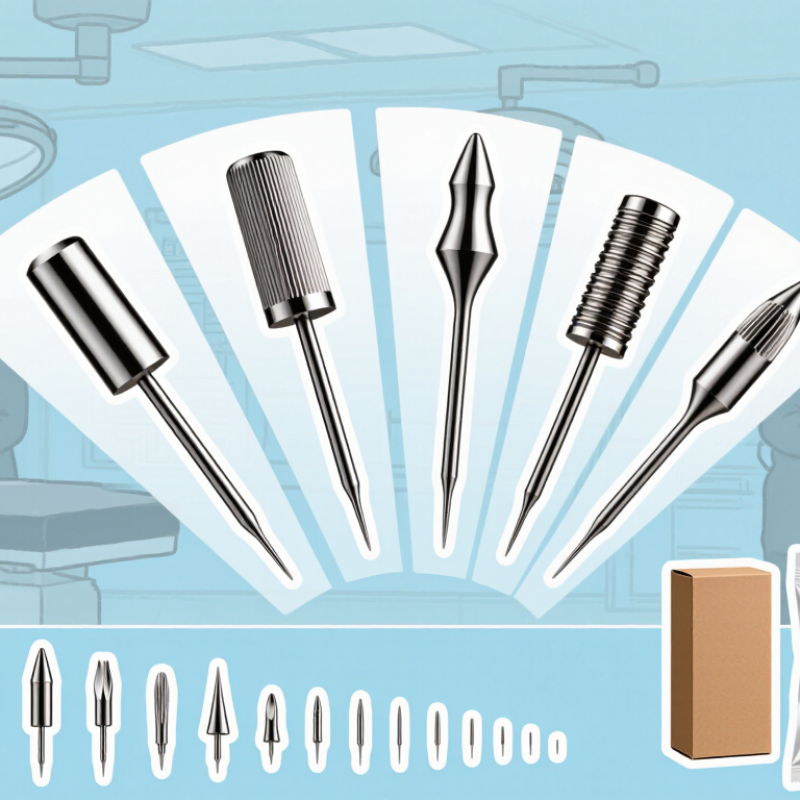
2026 Top K-Wire Pin Types: What Should Global Buyers Choose?
What Are K-Wire Pins and How Are They Used?
K-wires are slender metal pins used to hold bone fragments in position. They are commonly made from surgical-grade stainless steel or titanium. Their smooth surface allows controlled insertion through bone and soft tissue. Surgeons use them for temporary fixation, fracture stabilization, and guiding larger implants. Common designs include smooth pins, threaded pins, olive wires, and trocar-tip wires. Each type supports a different surgical need.
Smooth K-wires are often selected for small-bone fractures and temporary fixation. Threaded versions can provide stronger purchase in selected cases. Olive wires help create directional compression during certain orthopedic procedures. A sharp trocar tip may support easier penetration, but handling technique remains critical. In practice, the “best” pin is not universal. Diameter, length, tip design, bending strength, and bone quality all matter. The choice can still be imperfect.
Tips: Check sterile packaging, material certification, size accuracy, and tip consistency. Confirm compatibility with the surgeon’s instruments. Ask for clear instructions for storage and handling. Buyers should also review clinical requirements, quality documentation, and local medical-device rules. Low price alone can become expensive when bending, breakage, or poor packaging affects surgery. Always involve qualified orthopedic professionals before selecting a K-wire type.
| K-Wire Pin Type | Tip or Shaft Design | Common Diameter Range | Typical Orthopedic Uses | Main Advantages | Key Limitations | Recommended Buyer Checks |
|---|---|---|---|---|---|---|
| Smooth K-Wire | Uniform smooth shaft with a sharpened cutting point, usually trocar or diamond shaped. | 0.7–3.0 mm | Temporary fixation, fracture reduction, small-fragment fixation, hand and foot procedures, and guidewire functions. | Simple design, broad size availability, low insertion resistance, and easy removal. | Limited resistance to backing out and less rotational stability than threaded designs. | Verify straightness, tip sharpness, shaft diameter tolerance, surface finish, and sterile packaging options. |
| Threaded K-Wire | Partially threaded distal section with a smooth proximal shaft. | 1.0–3.0 mm | Small-bone fixation, osteotomy fixation, and situations requiring improved purchase in cancellous or cortical bone. | Better resistance to migration and improved axial or rotational holding compared with a fully smooth wire. | More difficult removal; incorrect placement or excessive insertion can damage bone or complicate extraction. | Check thread length, thread profile, transition zone, driver compatibility, and removal instrumentation. |
| Trocar-Point K-Wire | Three-sided cutting point designed to penetrate bone and cortical surfaces. | 0.8–3.0 mm | General percutaneous fixation, temporary fixation, and use with orthopedic drilling or pinning techniques. | Efficient penetration and reliable self-starting performance in many standard applications. | May generate more cutting debris or heat if excessive force or speed is used. | Assess point symmetry, concentricity, cutting-edge consistency, and performance in the intended bone model. |
| Diamond-Point K-Wire | Four-sided diamond-shaped cutting point that supports controlled bone entry. | 0.8–3.0 mm | Percutaneous pinning, fracture reduction, and applications where controlled starting and reduced skiving are important. | Good centering behavior and controlled penetration on hard cortical surfaces. | Requires consistent grinding quality; a damaged point can reduce insertion performance. | Inspect point geometry under magnification, tip hardness, burr-free finishing, and lot-to-lot consistency. |
| Olive K-Wire | Smooth wire with a fixed enlarged olive stop positioned along the shaft. | 1.5–3.0 mm | Directional reduction, fragment compression, tensioning, and external fixation frame constructs. | Provides a mechanical stop for controlled translation or compression of bone fragments. | Requires planned olive orientation and suitable frame or fixation technique; not ideal for every percutaneous application. | Confirm olive diameter, position tolerance, wire straightness, pull-out strength, and compatibility with fixation components. |
| Bayonet or Angled-End K-Wire | Offset, angled, or bent proximal end intended to improve handling or prevent rotation in a fixation construct. | 0.8–2.5 mm | Hand surgery, foot surgery, temporary fixation, and procedures where controlled external handling is useful. | Improved grip and handling without requiring a separate external bending step. | May require a specific insertion orientation and has less universal compatibility than a straight wire. | Check bend angle, end geometry, dimensional repeatability, and compatibility with the intended insertion tool. |
| Beaded or Stopper K-Wire | Wire incorporating a bead or enlarged stop to limit depth or provide a controlled contact point. | 1.0–2.5 mm | Selected fixation and positioning procedures where controlled insertion depth is required. | Helps limit advancement and can improve repeatability during placement. | Less flexible in surgical planning; stop dimensions may restrict use in narrow anatomical areas. | Verify stopper location, maximum insertion depth, bead strength, and dimensional compatibility with the procedure. |
| Cannulated or Guide K-Wire | Usually a small-diameter wire used to establish a trajectory for a cannulated drill, screw, or implant. | 0.8–3.2 mm | Guiding cannulated screws, drills, intramedullary instruments, and minimally invasive orthopedic procedures. | Supports accurate implant trajectory and can reduce the need for extensive exposure. | Small wires can bend or break if overloaded; guidewire compatibility is highly system-dependent. | Confirm exact guidewire diameter, working length, tip design, cannulation compatibility, and radiopacity requirements. |
K-wires are slender metal pins that hold bone fragments in position. Surgeons use them for temporary fixation, fracture stabilization, and implant guidance. They pass through bone and soft tissue under controlled conditions.
Surgical-grade stainless steel and titanium are common materials. Buyers should verify material certificates and batch traceability. Material choice can affect strength, handling, and clinical suitability.
Common designs include smooth, threaded, olive, trocar-tip, diamond-point, and cannulated wires. Each design supports different fixation or guidance needs. No single type fits every procedure.
Smooth wires are often used for small-bone fractures and temporary fixation. They are versatile and simple to stock. However, they may lose grip in weak bone or under repeated loading.
Threaded wires can provide stronger purchase and reduce unwanted migration in selected cases. Olive wires can create directional compression between bone fragments. Their use depends on bone quality, technique, and compatible instruments.
Check drawings, dimensional tolerances, material certificates, inspection reports, and packaging validation. Request samples from normal production. Inspect straightness, tip symmetry, burrs, and surface scratches under good lighting.
Compare unit price, tooling, minimum orders, testing, sterilization, packaging, freight, and rejected-piece handling. A low price may become expensive after delays or extra inspection. The cheapest option is not always economical.
Packaging should protect the sterile barrier during handling and long transport. Ask about storage conditions, sealing strength, and shipment testing. One overlooked carton weakness can damage otherwise acceptable products.
Review procedure volume, surgeon preference, bone conditions, instruments, and local medical-device requirements. A balanced portfolio may reduce shortages. Still, multiple product references can create purchasing mistakes. 马会
Kwire Pin systems are slender orthopedic wires used to temporarily or permanently stabilize fractures, guide implants, and support accurate bone alignment during surgery. In 2026, global demand is expected to favor versatile pin types, including smooth, threaded, trocar-point, and drill-point designs. Each option offers different benefits in terms of insertion control, fixation strength, tissue protection, and removal efficiency. Buyers should compare diameter, length, material composition, surface finish, and tip geometry to match the intended procedure and operating conditions.
Before purchasing, global buyers should verify compliance with applicable medical-device regulations, quality-management systems, sterilization requirements, packaging controls, and traceability standards in their target markets. Supplier evaluation should cover production consistency, inspection procedures, technical documentation, customization capability, delivery reliability, and total cost rather than unit price alone. A well-designed Kwire Pin should combine accurate dimensions, dependable mechanical performance, biocompatible materials, and secure packaging, helping healthcare providers achieve predictable handling and stable clinical results.
